

A $700 billion infrastructure bet is looking for proof, a government-industry chat room is shaping the rules, and the biggest name in electronic health records is turning AI on its own security. This weekend’s signal is clear: healthcare is where AI has to prove that it can create value—and earn trust
.
🔥 Would you like to be featured in our newsletter and get noticed, QUICKLY 🚀? Simply reply to this email or write to editor@digitalhealthbuzz.com, and we can take it from there.
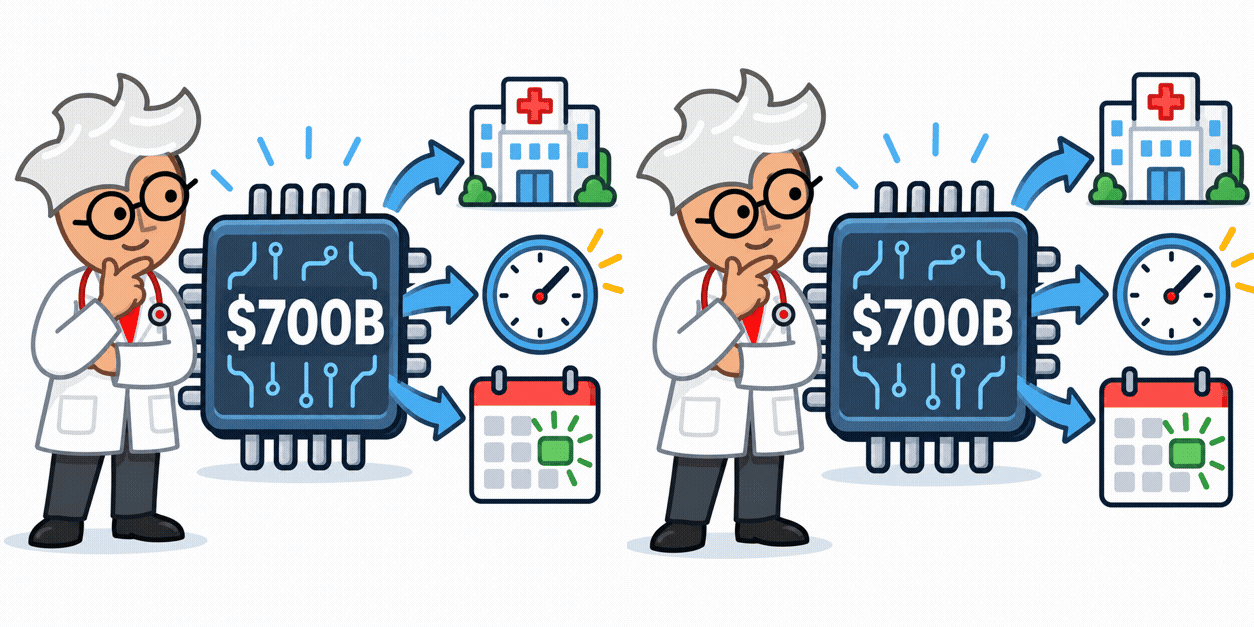
The $700B AI bet needs a healthcare payoff 💸
Microsoft, Alphabet, Meta and Amazon are expected to pour more than $700 billion into capital spending this year. Healthcare offers the kind of test their infrastructure needs: a $5.3 trillion U.S. market with close to $1 trillion in administrative costs, too few clinicians and abundant workflow friction. But faster work only matters if it creates more capacity instead of another login, silo or handoff.
The signal: AI’s next benchmark will not be a demo score. It will be minutes returned to clinicians, appointments opened to patients and costs removed without lowering quality
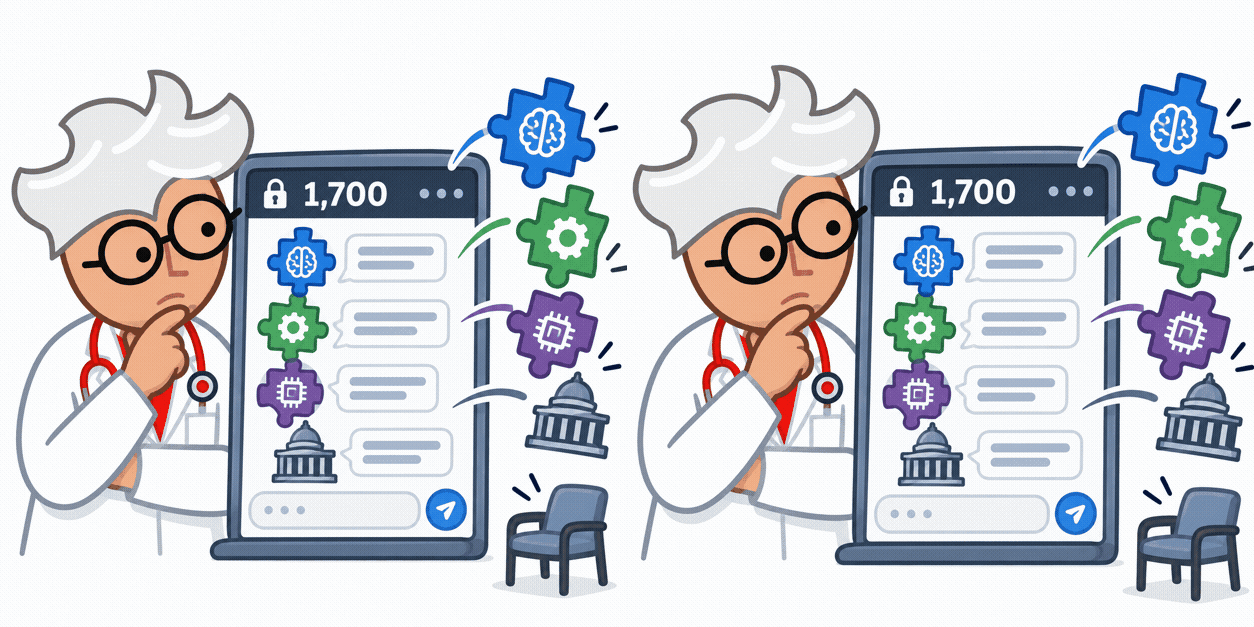
Inside the 1,700-member chat room influencing health-AI policy 💬
A KFF Health News and CBS investigation describes a CMS-run Slack workspace where technology companies, investors and federal officials discuss AI health apps, medical-record access, reimbursement and future guidance. Its membership reportedly reached about 1,700, while patient advocates, doctors and hospital representatives remained a small minority.
The signal: Fast collaboration can speed useful standards. It can also narrow whose risks and priorities make it into the rules. The real test is not whether industry has a seat—it is whether patients and frontline clinicians have comparable influence
.

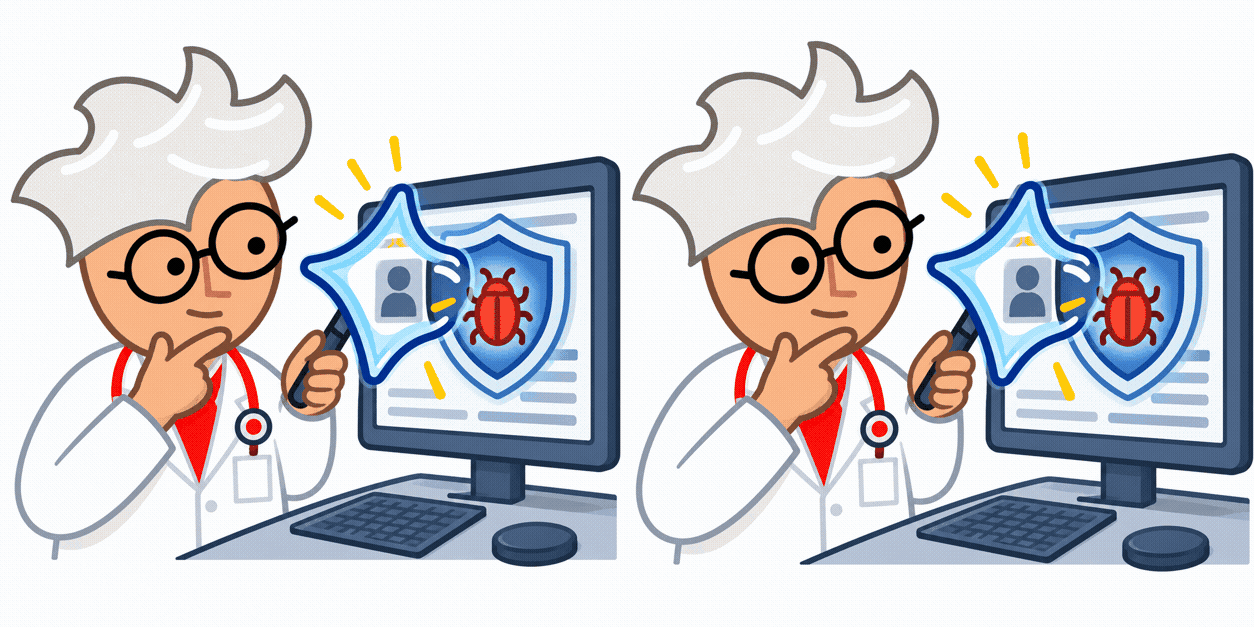
Epic turns AI on patient-record security 🔐
Epic used AI-assisted security analysis to identify potential flaws that could expose patient records, according to reporting published October 9. Because Epic, Oracle Cerner and MEDITECH together account for nearly three-quarters of the U.S. electronic-health-record market, finding weaknesses before attackers do can have an unusually large protective effect.
The signal: One of healthcare AI’s most valuable jobs may be defensive: continuously testing the systems that already hold sensitive data. Discovery is only the first step; rapid remediation, independent validation and transparent disclosure remain essential
.
From Our Blog
Can an algorithm decide if you’re fit for work?
A faster score is not the same as a fair decision. This practical read covers the questions employers should ask about human review, bias, explainability and accountability before using AI in workforce health screening.
📣 Follow us on X for hot news between editions → @dighealthbuzz
